

Donald Trump arrived in Beijing on 13 May 2026 for a state visit with Chinese President Xi Jinping, the first visit by a sitting US president to China since 2017. The summit runs from 13 to 15 May and includes bilateral meetings, a state banquet, and a working lunch at the Temple of Heaven.

The visit was originally planned for March 2026 but was postponed due to the US-Israel war with Iran. The war remains the immediate backdrop. China sources roughly 60 percent of its crude oil through the Strait of Hormuz, and disruptions there directly affect its energy security. Beijing has been Iran’s largest oil buyer and has provided diplomatic cover at the UN. The US Treasury recently sanctioned several Chinese firms for handling Iranian oil and supplying satellite imagery to Tehran. Trump said before departure that he expects a long talk with Xi on Iran but that the US will prevail either peacefully or otherwise.

Iran–US Escalation Sparks New Regional Tensions in the Gulf
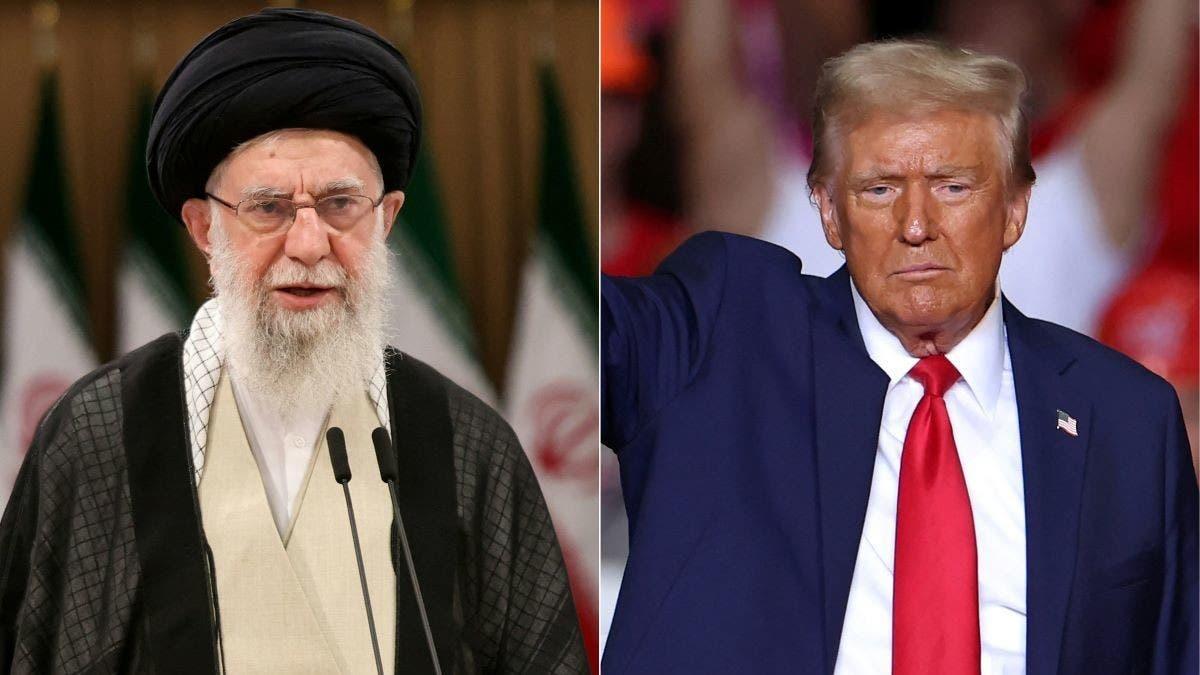
Trump Threatens Major Action Against Iran Amid Rising Tensions
Trump hué, les Spurs relancent la finale NBA à New York
Iran–Israel Missile Escalation Raises Fears of Regional War
Middle East Peace Efforts Face New Setback
🇺🇸🌍 Rising tensions in the Middle East amid diplomatic signals and military clashes
Trade and tariffs dominate the economic agenda. The two sides are negotiating an extension of the one-year truce reached in October 2025 after the previous round of tariff hikes and Chinese export controls on rare earth minerals. US officials say the goal is to establish a Board of Trade and a Board of Investment to manage non-sensitive goods and specific investment issues. The board could cover tens of billions of dollars in bilateral trade. Trump is seeking deals for US agriculture, aerospace, and energy. US farmers are pushing for larger purchases of soybeans, beef, and other crops. Boeing and Cargill are among the companies linked to potential purchase agreements.
Technology and export controls are another focus. The US has tightened restrictions on semiconductors and AI chips, while China has used its control over rare earths as leverage. Both sides are expected to discuss a communication channel on AI safety and security, but no major breakthrough is expected. Senior US officials said the administration is looking for tangible outcomes rather than symbolic optics, with a focus on economic reciprocity, strategic stability, and safeguards around dual-use technology.

Taiwan remains the most sensitive issue. China considers Taiwan part of its territory, while the US maintains informal defense ties and arms sales to Taipei. Chinese Foreign Minister Wang Yi has called Taiwan the biggest risk point in the relationship. US officials say the US position has not changed, but they expect Xi to raise Taiwan early in the talks. The issue could limit what both sides are willing to concede on trade and security.
The business delegation traveling with Trump includes CEOs from Tesla, BlackRock, Illumina, Mastercard, Visa, and others. Unlike the 2017 visit, which emphasized large trade deals and pageantry, this delegation is focused on resolving specific business issues in China, including regulatory approvals, market access, and supply chain reliability. Rhodium Group analyst Reva Goujon said the companies are mainly there to press demands on critical input supply and to test whether China can be a reliable investment partner without weaponizing supply chains.
The schedule reflects both substance and symbolism. Trump arrived in Beijing on the evening of 13 May and was due to attend a welcome ceremony and bilateral meeting with Xi on 14 May. The two leaders are scheduled to meet again on 15 May for a bilateral tea and working lunch. A visit to the Temple of Heaven is planned, a site where Ming and Qing emperors prayed for good harvests. In 2017 Xi gave Trump a private tour of the Forbidden City. Analysts say the Temple of Heaven visit is meant to convey Chinese historical depth and to create a favorable backdrop for discussions on agriculture.
The summit occurs at a difficult moment for Trump domestically. The Iran war and its impact on energy prices have pushed inflation higher and weighed on his approval ratings. The administration hopes to show progress on trade and energy to offset that pressure. At the same time, China is navigating its own economic challenges, including weak domestic demand and the need to stabilize exports after last year’s tariff escalation.
Regional security beyond Iran is also on the agenda. North Korea could come up, as Trump has expressed interest in reengaging with Kim Jong-un. The war in Ukraine and its impact on global food and energy markets will likely be mentioned, though it is not the central issue. US officials said they will also raise China’s support for Russia and the flow of dual-use goods that could be used for weapons production.
Expectations for major agreements are low. Both sides appear more interested in preventing further deterioration than in reaching a comprehensive deal. The summit is framed as crisis management between the world’s two largest economies. A senior US official said agreements are possible on aerospace, agriculture, and energy, and that work will continue on the proposed boards of trade and investment.
The geopolitical stakes are high because the US and China are competing across trade, technology, and military domains while also being interdependent on energy, supply chains, and global financial stability. The outcome of the Beijing meeting will influence market sentiment, supply chain planning, and diplomatic alignments in the Indo-Pacific and beyond.
Leave a comment
Your email address will not be published. Required fields are marked *