Jun 22, 2026Elias Ntezimana
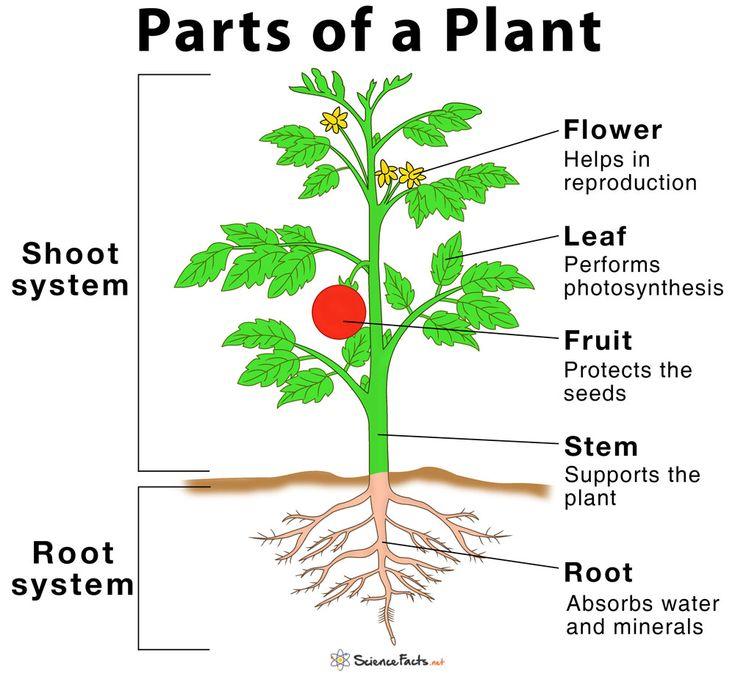
Plants are living organisms that have a well-organized structure made of different parts. Each part of the plant has a specific function that helps the plant survive, grow, and reproduce
View more
Jun 22, 2026Elias Ntezimana
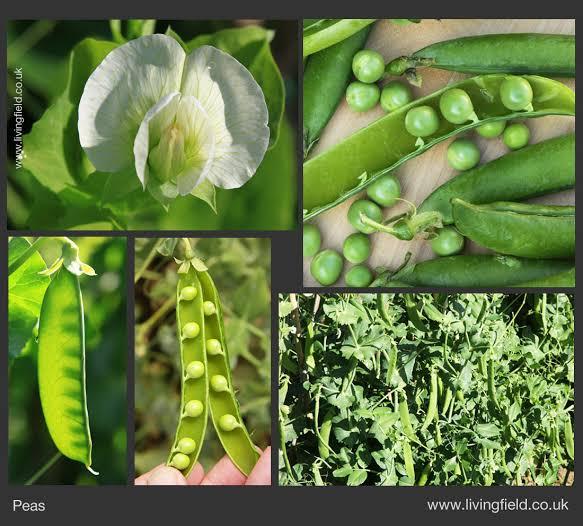
eguminous plants, members of the Fabaceae (or Leguminosae) family, are agricultural and biological powerhouses defined by their characteristic seed pods that split open along two seams
View more
Jun 22, 2026Elias Ntezimana
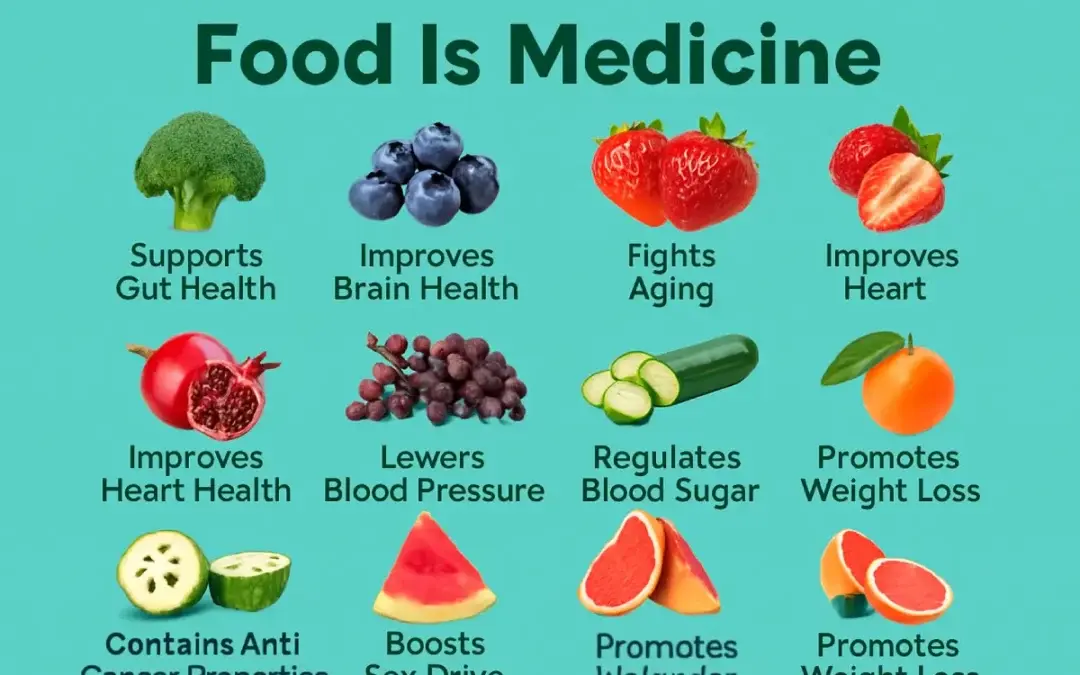
Fruits are essential for human health because they are dense in vital micronutrients, antioxidants, and dietary fiber.
View more
Jun 22, 2026Elias Ntezimana
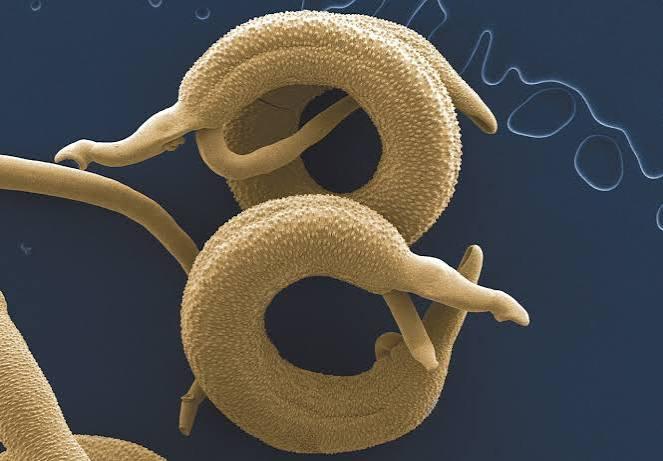
Helminths are large, multicellular parasitic worms that live inside a living host to gain nourishment and protection.
View more
Jun 22, 2026Elias Ntezimana
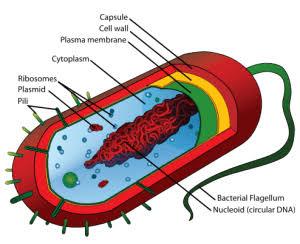
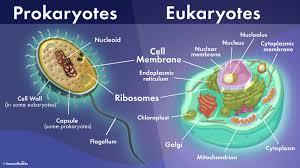
Un procaryote est un organisme unicellulaire simple dont l'ADN flotte librement dans le cytoplasme (le nucléoïde).
View more
Jun 22, 2026Elias Ntezimana
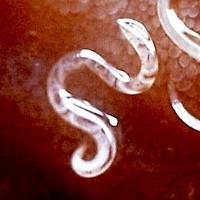
Ankylostomiasis (hookworm infection) is a parasitic disease caused mainly by Ancylostoma duodenale and Necator americanus. These worms live in the human small intestine where they attach to the intestinal wall and feed on blood, leading to chronic blood loss and iron-deficiency anemia.
View more
Jun 22, 2026Elias Ntezimana
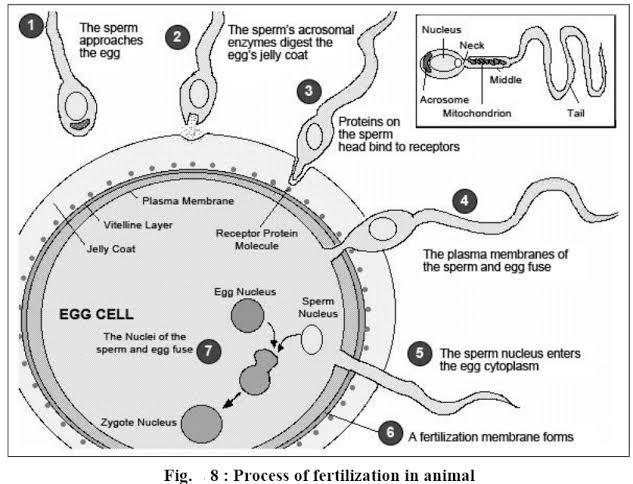
Mammalian fertilization is the process by which a sperm cell fuses with an egg cell to form a zygote, the first cell of a new organism.
View more
Jun 22, 2026Elias Ntezimana
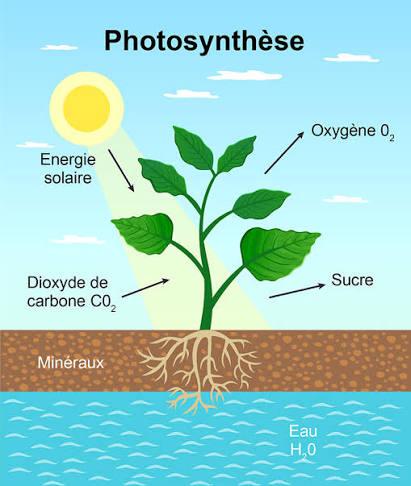
Photosynthesis is the biological process by which plants, algae, and some bacteria convert sunlight, water, and carbon dioxide into oxygen and energy-rich sugars
View more
Jun 22, 2026Elias Ntezimana
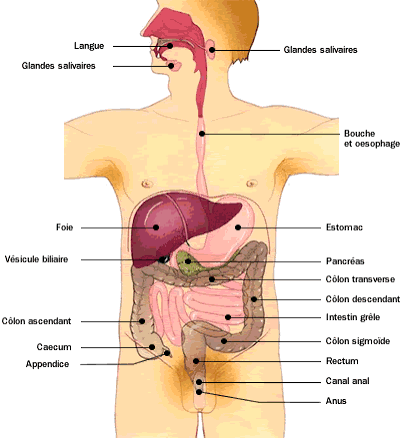
Human anatomy is the branch of biology that studies the structure of the human body and the relationship between its different parts
View more
Jun 20, 2026Elias Ntezimana
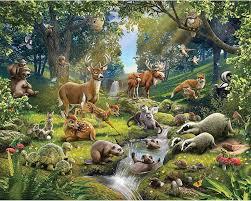
The Animal Kingdom, also known as Kingdom Animalia, includes all animals living on Earth. It is one of the largest and most diverse kingdoms of life
View more
Jun 20, 2026Elias Ntezimana
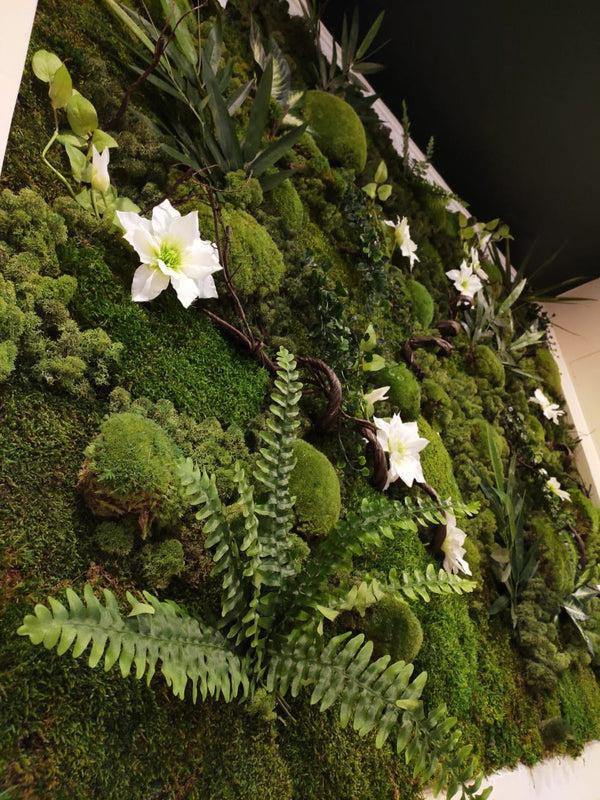
The Kingdom Plantae includes all plants, which are multicellular eukaryotic organisms capable of producing their own food through photosynthesis
View more
Your experience on this site will be improved by allowing cookies
Cookie Policy
These cookies are essential for the website to function properly.
These cookies help us understand how visitors interact with the website.
These cookies are used to deliver personalized advertisements.