

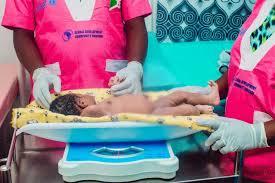
BUJUMBURA — Burundi continues to grapple with a disproportionate burden of maternal and neonatal mortality, with 334 fatalities recorded per 100,000 live births annually, according to statistical disclosures from the National Association of Midwives and Neonatal Health Professionals, ANASAF.
The epidemiological data was released during the national commemoration of the International Day of the Midwife on May 9, 2026, a deviation from the internationally sanctioned date of May 5. The global advocacy campaign this year operates under the imperative: One million more midwives.


ANASAF President Evelyne Iyizire articulated three systemic dysfunctions underpinning the persistence of elevated maternal and neonatal mortality indices:
1. Critical human resource deficit: The current operational cohort comprises merely 500 midwives nationwide. This figure represents a stark incongruity with the projected requirement of 3,312 qualified practitioners to adequately cover obstetric and neonatal service delivery for the current fiscal year.
2. Infrastructural and topographical impediments: Practicing midwives face prohibitive logistical constraints, necessitating the traversal of extensive distances across precipitous and enclaved terrain to reach designated health facilities, thereby compromising timeliness of care and continuity of service.
3. Regulatory and institutional lacuna: The absence of a codified national regulatory framework for maternal and neonatal health professionals engenders professional precarity, impedes standardized accreditation, and obstructs systematic workforce planning and deployment.
Burundi confronts acute maternal and neonatal mortality crisis with 334 deaths per 100,000 live births, ANASAF warns
BUJUMBURA — Burundi continues to grapple with a disproportionate burden of maternal and neonatal mortality, with 334 fatalities recorded per 100,000 live births annually, according to statistical disclosures from the National Association of Midwives and Neonatal Health Professionals, ANASAF.
The epidemiological data was released during the national commemoration of the International Day of the Midwife on May 9, 2026, a deviation from the internationally sanctioned date of May 5. The global advocacy campaign this year operates under the imperative: One million more midwives.
ANASAF President Evelyne Iyizire articulated three systemic dysfunctions underpinning the persistence of elevated maternal and neonatal mortality indices:
1. Critical human resource deficit: The current operational cohort comprises merely 500 midwives nationwide. This figure represents a stark incongruity with the projected requirement of 3,312 qualified practitioners to adequately cover obstetric and neonatal service delivery for the current fiscal year.
2. Infrastructural and topographical impediments: Practicing midwives face prohibitive logistical constraints, necessitating the traversal of extensive distances across precipitous and enclaved terrain to reach designated health facilities, thereby compromising timeliness of care and continuity of service.
3. Regulatory and institutional lacuna: The absence of a codified national regulatory framework for maternal and neonatal health professionals engenders professional precarity, impedes standardized accreditation, and obstructs systematic workforce planning and deployment.
ANASAF’s demographic and epidemiological projections indicate that the midwifery workforce must undergo substantial augmentation to 3,800 professionals by 2030. This threshold is deemed indispensable to ensure universal access to skilled birth attendance, reduce preventable obstetric complications, and align national health outcomes with Sustainable Development Goal targets on maternal and neonatal mortality.
The association underscores that without expeditious investment in human capital, infrastructure, and regulatory mechanisms, Burundi risks perpetuating cycles of avoidable maternal and neonatal fatalities despite incremental gains in antenatal coverage.