

Often referred to by his nickname “Bibi,” Netanyahu became one of the longest-serving prime ministers in Israeli history. His leadership has influenced military policy, economic reforms, diplomacy and regional conflicts across the Middle East.
Early Life and Education

Benjamin Netanyahu was born on October 21, 1949, in Tel Aviv, Israel. Part of his childhood was spent in the United States, where his father worked as a historian and academic researcher.
Netanyahu later served in the elite Israeli military special forces unit known as Sayeret Matkal. During his military service, he participated in several high-risk operations and gained a reputation for discipline and strategic thinking.
After leaving the military, he studied architecture and business management in the United States at the Massachusetts Institute of Technology. He also studied political science at Harvard University.
Rise in Israeli Politics
Netanyahu entered diplomacy and politics during the 1980s. He served as Israel’s ambassador to the United Nations, where he became known internationally for his communication skills and strong defense of Israeli security policies.

He later joined the Likud political party and rapidly rose through its leadership ranks.
In 1996, Netanyahu became Israel’s youngest prime minister after winning national elections. His first term focused heavily on national security, counterterrorism and economic reforms.
Although he temporarily lost power in 1999, he returned to political leadership years later and eventually dominated Israeli politics for more than a decade.
Security and Foreign Policy
Netanyahu built much of his political image around national defense and regional security concerns.
Throughout his leadership, he maintained a strong stance against armed militant groups and repeatedly warned about Iran’s nuclear ambitions. He frequently argued that Iran represented one of the greatest security threats facing Israel and the broader Middle East.
His governments also authorized multiple military operations in Gaza and other contested areas, decisions that generated both domestic support and international criticism.
Supporters often describe Netanyahu as a leader who prioritizes Israeli security and economic stability. Critics, however, accuse him of escalating tensions and reducing prospects for long-term peace negotiations with Palestinians.
Relations With the United States
One of the defining aspects of Netanyahu’s political career has been his close relationship with several American administrations.
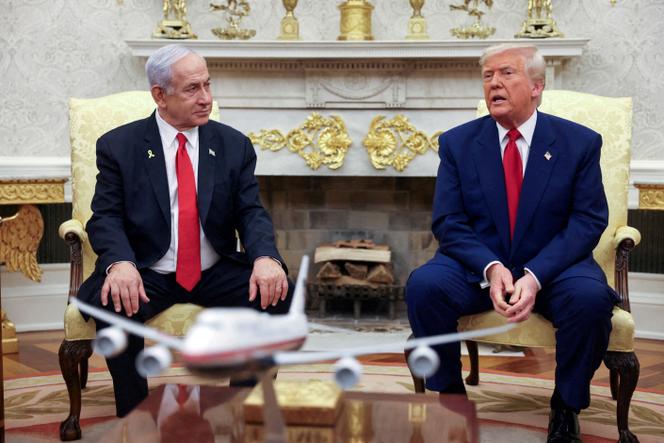
During the presidency of Donald Trump, relations between Israel and the United States became particularly strong. Major diplomatic developments during that period included the Abraham Accords, agreements aimed at normalizing relations between Israel and several Arab nations.
The Trump administration also recognized Jerusalem as Israel’s capital, a highly controversial decision welcomed by Netanyahu but criticized by many international actors.
Corruption Trials and Political Challenges
Despite his political success, Netanyahu has faced significant legal and political controversies.
Israeli prosecutors charged him in multiple corruption-related cases involving allegations of bribery, fraud and breach of trust. Netanyahu denied all accusations and described the investigations as politically motivated attempts to remove him from power.
The legal proceedings triggered large protests inside Israel and deepened political divisions within the country.
Even while facing trial, Netanyahu continued leading political campaigns and remained one of the country’s most influential political figures.
Gaza Conflict and International Pressure
Recent conflicts involving Gaza have placed Netanyahu under intense international attention.

Military operations, hostage situations and humanitarian concerns have generated global debate regarding Israel’s military strategy and regional stability.
Some governments strongly support Israel’s right to self-defense, while others criticize the scale of military actions and civilian casualties.
International organizations and human rights groups continue calling for ceasefire negotiations and diplomatic solutions to reduce regional tensions.
Legacy and Global Influence
Whether admired or criticized, Benjamin Netanyahu’s impact on Israeli politics is undeniable.
Supporters credit him with strengthening Israel’s economy, military capabilities and international alliances. Opponents argue that his leadership style increased political polarization and complicated peace efforts in the region.
Political analysts believe Netanyahu will remain a central figure in Middle Eastern geopolitics for years due to his experience, political resilience and influence within Israeli society.
His legacy continues to shape discussions about security, diplomacy and the future of the Middle East.
Laisser un commentaire
Votre adresse e-mail ne sera pas publiée. Les champs obligatoires sont marqués *