

Decomposition is a natural biological process through which dead organic matter (plants, animals, and organic wastes) is broken down into simpler substances by the action of decomposers such as bacteria, fungi, and other organisms. This process plays a very important role in recycling nutrients in ecosystems. Without decomposition, dead organisms and organic wastes would accumulate in the environment, and essential nutrients would not return to the soil for reuse by plants and other living organisms.
Definition
Decomposition is the process by which dead organic materials are broken down into simpler substances such as water, mineral salts, gases, and humus through the activity of bacteria, fungi, and other decomposer organisms.
Decomposer Organisms
The main decomposers include:
- Bacteria
- Fungi
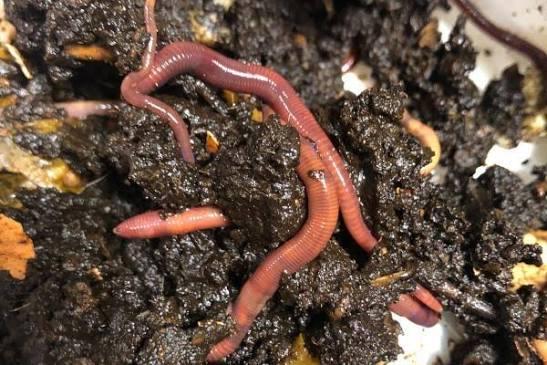
- Earthworms (worms)
- Insects
- Soil microorganisms
These organisms help in breaking down complex organic matter into simple inorganic substances.
Types of Decomposition
1. Aerobic Decomposition
This occurs in the presence of oxygen.
Characteristics:
- Fast process
- Produces carbon dioxide (CO₂)
- Produces heat
- No strong bad smell
Example: well-aerated compost.
2. Anaerobic Decomposition
This occurs in the absence of oxygen.
Characteristics:
- Slow process
- Produces methane (CH₄)
- Produces bad odors
- Occurs in waterlogged or sealed environments
Example: swamps, marshes, septic tanks.
Stages of Decomposition
1. Initial Stage
Microorganisms begin to attack and weaken the dead organic material.
2. Fragmentation Stage
Insects and worms break the material into smaller pieces.
3. Biological Breakdown
Bacteria and fungi break complex organic compounds into simpler substances.
4. Mineralization
Organic matter is converted into inorganic nutrients such as:
- Nitrogen
- Phosphorus
- Potassium
- Calcium
5. Humus Formation
A portion of the decomposed material is converted into humus, a stable and nutrient-rich substance that improves soil fertility.
Factors Affecting Decomposition
- Temperature (higher temperature increases decomposition rate)
- Moisture (humid conditions favor decomposition)
- Oxygen availability
- Type of organic matter
- Activity of microorganisms
- Soil pH
- Aeration
Role of Decomposition in Ecosystems
Decomposition is essential because it:
- Recycles nutrients
- Forms fertile soil
- Maintains nutrient cycles
- Reduces organic waste accumulation
- Supports plant growth
Ecological Importance
Without decomposition:
- Dead organisms would accumulate
- Nutrients would remain locked in organic matter
- Plants would lack essential minerals
- Ecosystems would collapse
Thus, decomposition is essential for life on Earth.
Examples of Decomposition
- Fallen leaves in forests
- Dead animals
- Food waste
- Rotting wood
- Compost piles
Human Uses of Decomposition
Humans use decomposition for:
- Compost production
- Vermicomposting
- Organic fertilizer production
- Waste management
- Biogas production
Conclusion
Decomposition is a vital natural process that transforms dead organic matter into simple substances that can be reused by plants and other organisms. Through the action of bacteria, fungi, and other decomposers, nutrients are continuously recycled in ecosystems. This process ensures soil fertility, ecological balance, and the sustainability of life on Earth.

Ebola Virus Disease (EVD)

Chronic Diseases
Decomposition
Absorption
Homeostasis
Biological Interactions and Relationships
Decomposition
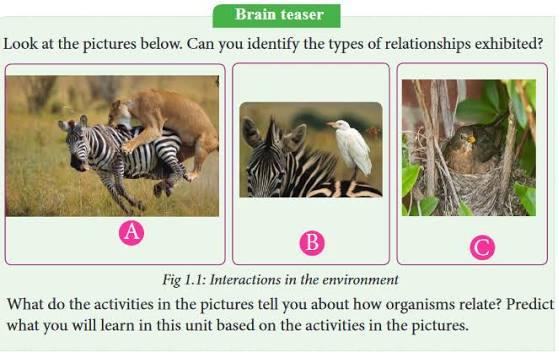
Biological Interactions and Relationships
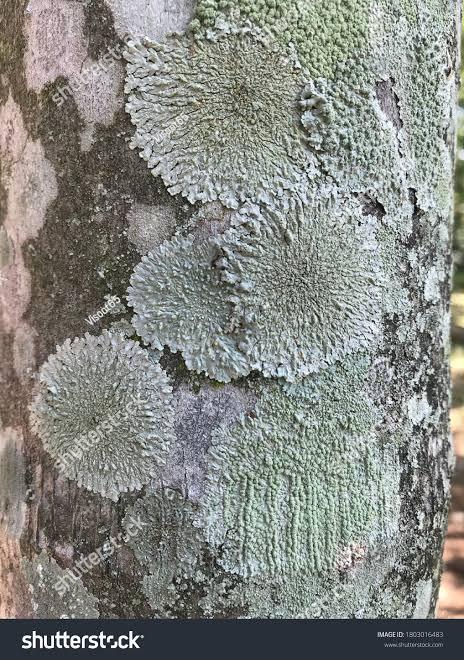
LICHEN
Earthworm
Seed Dispersal (Dissemination)
Pollination
The Endocrine System
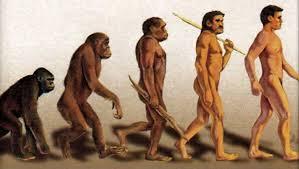
The Theory of Darwin (Theory of Evolution)
Factors That Influence Plant Growth
Germination
Does Pollution Destroy Biodiversity?
Why Is the Brain an Important Organ for Humans?
Decomposition
Homeostasis
اترك تعليقاً
لن يتم نشر عنوان بريدك الإلكتروني. الحقول المطلوبة مشار إليها بـ *