

The Theory That Changed Modern Physics
1. What is special relativity?
Special relativity is a physical theory created by Albert Einstein to explain the behavior of objects moving at extremely high speeds, close to the speed of light.
Before this theory, classical Newtonian physics dominated science. However, several phenomena involving light and motion could not be properly explained.
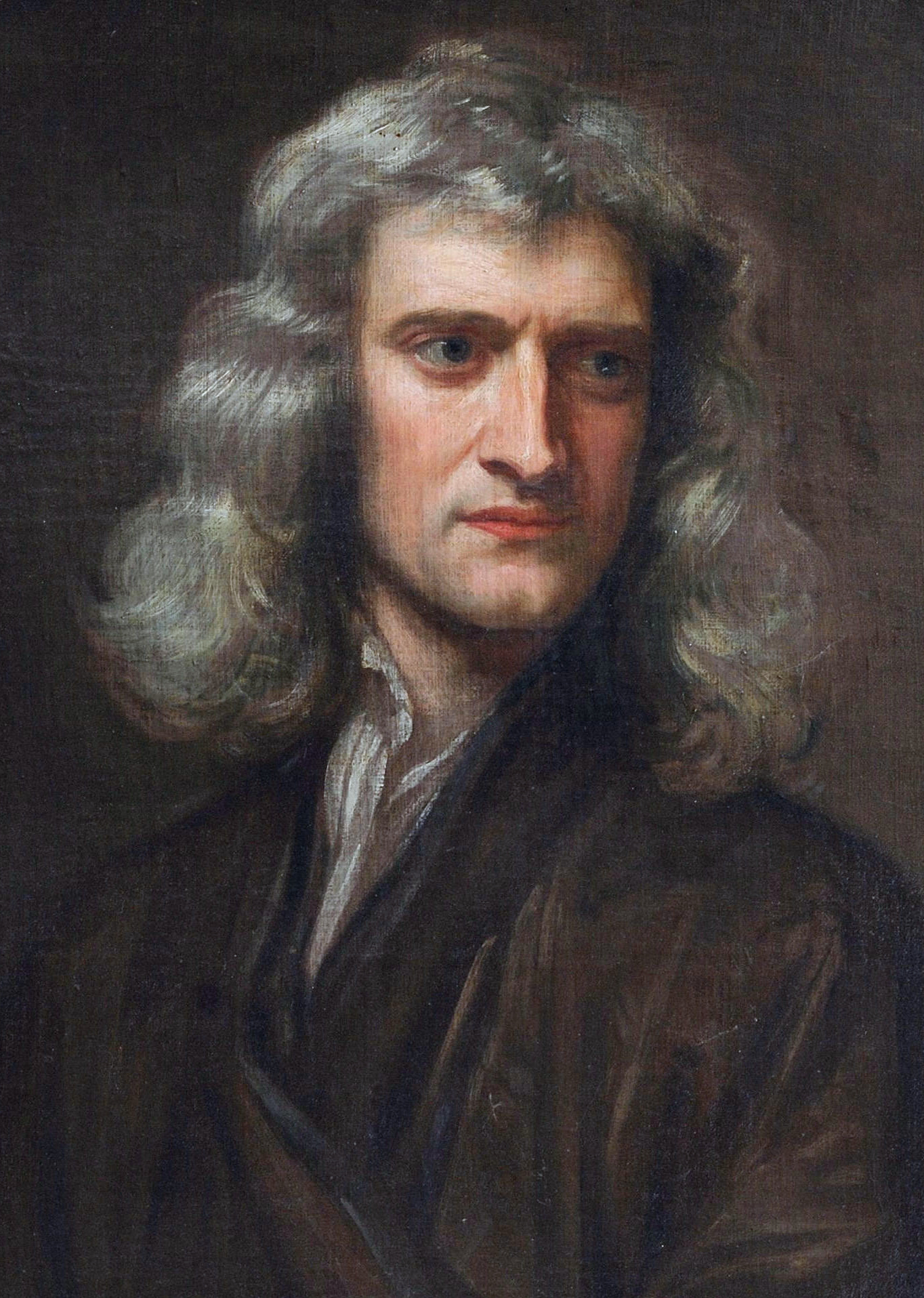
Einstein introduced a new way of understanding space and time.
2. The two main principles
Special relativity is based on two fundamental principles:
a) The laws of physics are the same in all inertial frames
This means that no constant straight-line motion can be considered absolute.
b) The speed of light is constant
Light always travels at about 300,000 km/s in a vacuum, no matter how fast the observer is moving.
c \approx 3 \times 10^8\ \text{m/s}
3. Time dilation
One of the most famous effects of special relativity is time dilation.
When an object moves at very high speed, time passes more slowly for it compared to a stationary observer.
For example, a clock inside a fast-moving spaceship ticks slower than a clock on Earth.
4. Length contraction
The theory also predicts that objects become shorter in the direction of motion when they move close to the speed of light.
This is called length contraction.
5. Mass–energy relationship
Einstein showed that mass and energy are closely related.
His famous equation shows that a small amount of mass can be converted into a huge amount of energy.
E = mc^2
This idea became fundamental in nuclear physics and energy production.
6. Impact on modern physics
Special relativity transformed modern science and contributed to:
- nuclear physics
- astrophysics
- GPS satellite technology
- particle accelerators
- modern space research
7. Difference between special and general relativity
Special relativity deals with motion without strong gravity.
Later, Einstein developed general relativity to explain gravity and the large-scale structure of the universe.
8. Why it is important today
Even after more than a century, special relativity remains essential in science and technology.
It helps explain:
- black holes
- subatomic particles
- space travel
- the structure of the universe
Conclusion
Special relativity is one of the most important scientific theories ever created. By changing how we understand time, space, and energy, it opened the door to modern physics and continues to influence today’s technology and scientific discoveries.
Để lại bình luận
Địa chỉ email của bạn sẽ không được công khai. Các trường bắt buộc được đánh dấu *